6 Energy-Saving HVAC Upgrades for Aurora Homes in 2026
Published: 2026-06-21 · By SkyLine Heating and Cooling Service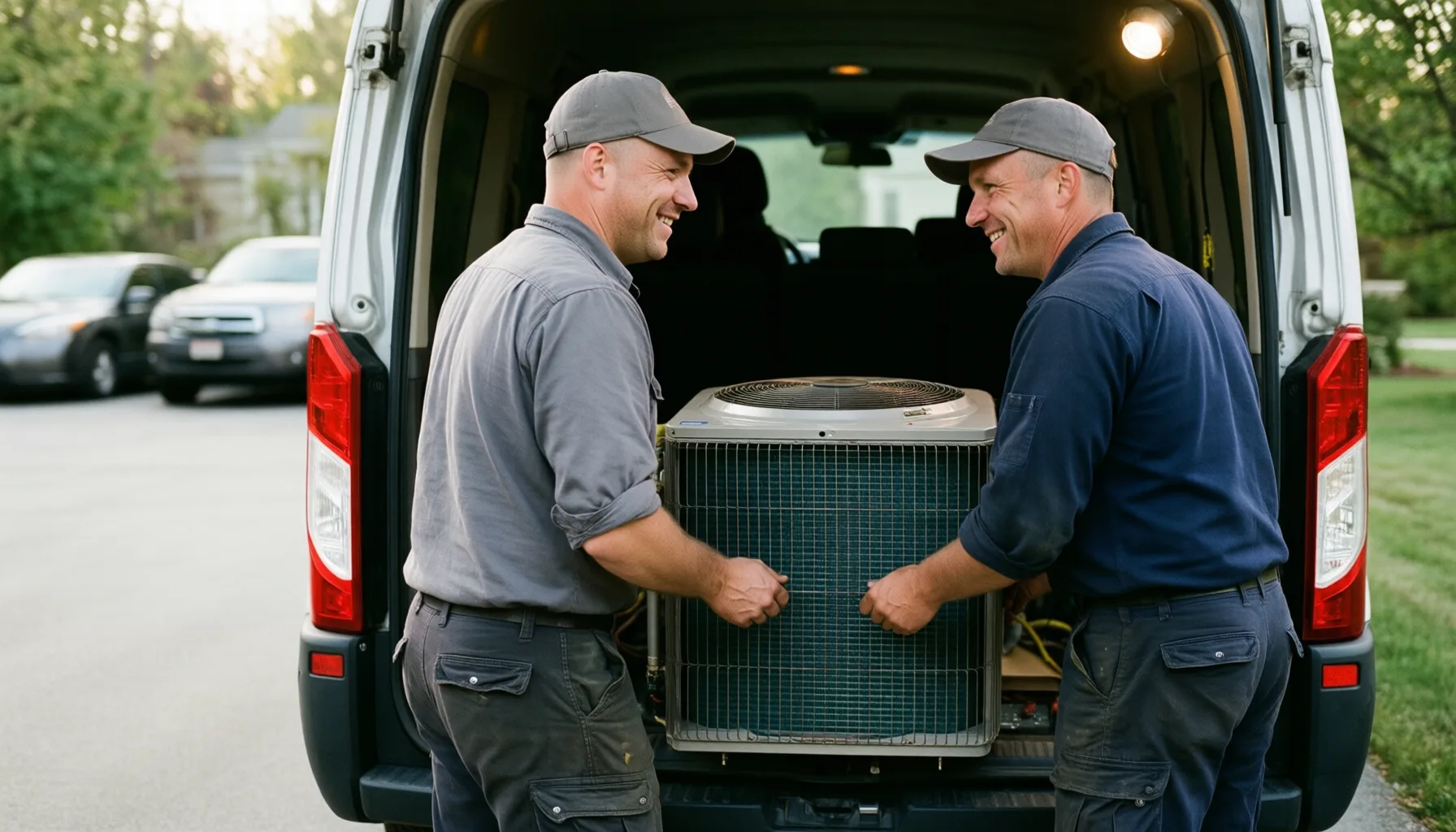
As a homeowner in Aurora, you know the challenges of rapidly swinging temperatures and heavy snowfall. With the potential for hail storms and freeze-thaw cycles in the spring, your HVAC system is put through its paces throughout the year. Upgrading your heating and cooling system not only enhances your home’s comfort but also significantly reduces energy bills. In 2026, consider the latest energy-efficient HVAC technologies that can stand up to our unique climate while keeping your home cozy all season long.
Why This Matters for Aurora Homeowners
In Aurora, the drastic temperature changes can wreak havoc on your heating and cooling systems. Traditional HVAC units may struggle to maintain optimal performance during long winters and sweltering summers, leading to higher energy costs and potential repairs. Homes built on expansive clay soils further complicate matters, as these structures require proper drainage systems to prevent HVAC components from deteriorating. Implementing energy-efficient upgrades can alleviate these issues and support long-term savings.
Ignoring HVAC maintenance often leads to costly repairs. Stay proactive by investing in energy-efficient upgrades, ensuring your system can adequately handle extreme temperatures.
Many homeowners underestimate the impact of outdated equipment. A typical central air conditioning unit can lose up to 5% of its efficiency for each year it ages, meaning you might be throwing money away on utility bills. Energy-efficient systems not only help combat this but can also offer rebates to offset installation costs, making them an economically wise decision.
Expert Solutions & Actionable Tips
1. Install a High-Efficiency Heat Pump
Heat pumps are an ideal solution for Aurora’s climate. Modern models can achieve efficiency ratings exceeding 20 SEER, allowing you to save significantly on energy bills. Installation costs typically range from $4,500 to $8,000, depending on the model and complexity. This investment pays dividends, particularly during extreme weather.
Heat pumps work well with existing ductwork, making retrofitting simpler. Consider pairing them with programmable thermostats for additional efficiency gains.
2. Upgrade to a Smart Thermostat
A smart thermostat can optimize your HVAC system’s performance by learning your schedule and adjusting temperatures accordingly. Prices range from $100 to $300 for basic to advanced models. This small investment can save homeowners up to 10-15% on their heating and cooling costs annually.
Smart thermostats provide remote access, allowing adjustments even while you’re away. This level of control is especially useful during Aurora's unpredictable weather swings.
3. Add Insulation to Your Home
While often overlooked, proper insulation can dramatically improve your HVAC efficiency. With insulation estimates varying between $1,500 and $3,500, it is essential to target areas like attics and crawl spaces. Effectively insulating your home can reduce energy loss and even enhance comfort throughout cold winters and hot summers.
Consider using spray foam insulation, which adapts to even the most challenging spaces, providing an airtight seal to keep your HVAC system running efficiently.
4. Consider Duct Sealing and Insulation
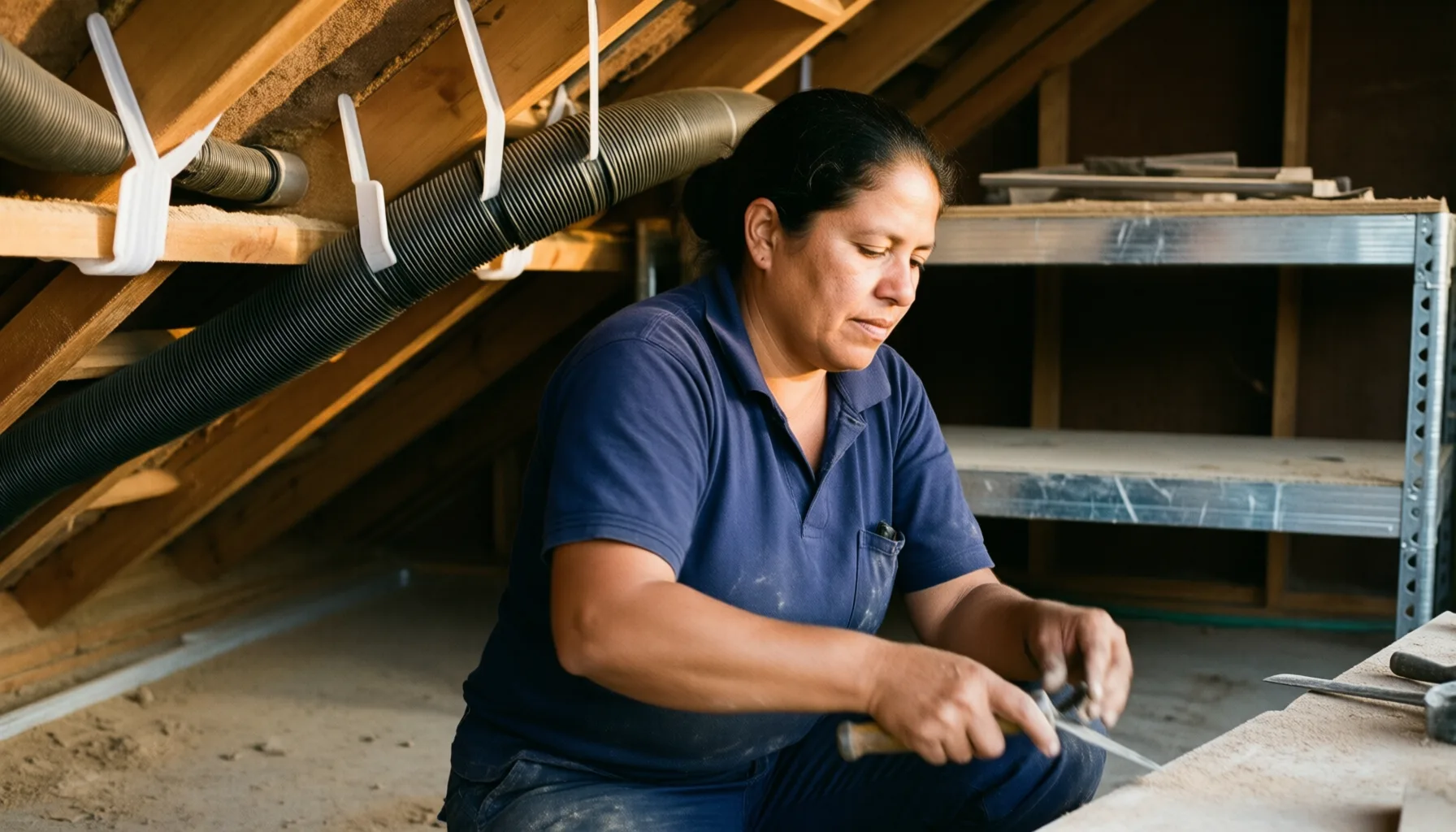
Leaky ducts can account for a significant loss of conditioned air, leading to higher energy bills. Duct sealing and insulation have costs ranging from $600 to $2,000. By securing these areas, you ensure that temperature-controlled air reaches its destination without losing efficacy.
Conducting a professional energy audit can help identify leaks and ensure you prioritize these essential upgrades for maximum savings.
5. Invest in a Zoning System
A zoning system allows you to control the temperature in different areas of your home independently. This upgrade can range from $2,500 to $6,000, depending on the complexity of installation. Homeowners can experience substantial energy savings when only occupied areas are heated or cooled.
This is particularly beneficial in larger homes or those with sun-facing rooms that heat up faster during the day.
6. Choose High-Performance Windows
Window upgrades can significantly impact HVAC efficiency. Installing high-performance windows can cost between $500 and $1,000 per window but translates to reduced energy loss. These windows help reduce heat transfer, allowing your HVAC system to work less.
Consider options like double or triple glazing with low-emissivity coatings for the best results in Aurora’s whimsical weather.
Aurora Climate & Local Context
Aurora experiences extreme temperature fluctuations throughout the year, with frigid winters and sweltering summers that put a strain on HVAC systems. The presence of expansive clay soils can complicate drainage, necessitating solutions that protect your HVAC components from water damage. Understanding these factors is critical when upgrading systems, as they influence the types of installations that comply with local building codes.
Additionally, remodelling or building an energy-efficient home in Aurora requires adherence to specific permits and guidelines, ensuring that your HVAC choices align with best practices for long-term efficiency and resilience. Check with local authorities for any regulations that might affect your planned HVAC upgrades.
When to Call a Professional
Deciding whether to tackle an upgrade yourself or hire a professional can be tricky. While small tasks like replacing air filters can be simple D.I.Y. projects, many tasks are best left to professionals for safety and efficiency. Consider calling in an HVAC expert if you're facing any of the following scenarios:
- Your system frequently cycles on and off.
- There are unusual noises coming from the HVAC unit.
- Cooling or heating is inconsistent in different rooms.
- There’s a noticeable spike in your energy bills.
- You’re unsure how to size or install new equipment.
- Important local codes and permits are required for the upgrade.
Professional HVAC services help ensure installation is correct and compliant with regulations, maximizing your investment’s potential.
Frequently Asked Questions
What are the benefits of energy-efficient upgrades for my HVAC system?
Energy-efficient upgrades help reduce monthly utility bills while improving home comfort. They also minimize your system’s environmental impact, an important factor in maintaining Aurora’s unique climate.
Are there local programs for energy-efficient upgrades in Aurora?
Yes, Aurora offers several rebates for energy-efficient HVAC systems. Check with local utility companies to see what programs might benefit your home.
How can I determine if my HVAC system needs an upgrade?
Signs include rising energy bills, inconsistent heating or cooling, and frequent repairs. If your system is struggling to keep up with Aurora’s climate, an upgrade may be necessary.
What is the typical lifespan of HVAC components?
Most HVAC systems last around 10-15 years, depending on maintenance. Regular check-ups can extend their life and efficiency.
Can I perform HVAC work myself in Colorado?
Some minor tasks, like replacing filters, can be done by homeowners. However, significant work should usually be handled by professionals to adhere to safety standards and local codes.
Get Expert HVAC Service in Aurora
Upgrading your HVAC system can lead to remarkable energy savings and home comfort in Aurora. Don’t wait until your system shows signs of stress. Contact SkyLine Heating and Cooling Service today to discuss your options and take the first step towards a more energy-efficient home!
With local expertise and a commitment to quality service, SkyLine Heating and Cooling Service is here to help you navigate the best upgrades for your specific needs.